

The Role of Luck Versus Skill in Poker
In poker, the debate surrounding the influence of luck versus skill is pervasive among enthusiasts and professionals alike. Many newcomers perceive poker primarily as a game of chance, where the luck of the draw can make or break any hand. However, seasoned players understand that while luck plays a role, particularly in the short term, skill is the decisive factor over the long haul. For those interested in enhancing their skills, exploring resources like 1win can provide valuable insights and strategies that can significantly tilt the odds in a player’s favor.
Statistical analysis shows that skilled players consistently outperform novices over time, as they can adjust their strategies based on the dynamics of the game and their opponents. For instance, a player who is adept at bluffing can manipulate the pot size and control the flow of the game, leveraging their skill to create advantageous situations. Therefore, while luck may influence immediate outcomes, it is the strategic application of skill that generally leads to sustained success in poker.
Furthermore, the nature of poker games allows skilled players to mitigate the effects of luck. Experienced players utilize concepts such as pot odds and expected value to make informed decisions about whether to call, raise, or fold. This analytical approach helps them to navigate through variance effectively, reducing the impact of unfavorable luck in the short term. In this sense, the interplay between luck and skill in poker only amplifies the importance of developing a solid foundation of skills for long-term success.
Developing Skills That Influence Outcomes
To succeed in poker, players must invest time in developing a variety of skills, each contributing to their overall effectiveness at the table. One of the most critical skills is the ability to read opponents. Understanding an opponent’s betting patterns, body language, and psychological cues can provide invaluable insights into their hand strength and intentions. Advanced players often use this knowledge to exploit weaknesses, making their skill set a formidable weapon against less experienced players.
Additionally, mathematical skills are paramount in poker. A proficient player must be comfortable with probability and odds to calculate their chances of winning a hand. For example, knowing the pot odds can help a player decide whether to call a bet based on the ratio of the current size of the pot to the size of the bet they must call. By integrating these mathematical insights into their gameplay, players can make more informed decisions that are statistically favorable over the long term.

Another essential skill in poker is emotional control, often referred to as ’tilt management.’ Emotional decisions can lead to significant losses, especially when one allows frustration or euphoria to dictate their actions. Skilled players know how to maintain composure, regardless of the cards being dealt or the outcomes of previous hands. By practicing self-discipline and staying focused, they can execute their strategies effectively and avoid costly mistakes driven by emotions.
The Importance of Strategy in Winning
Strategic thinking in poker involves making decisions based on a combination of analysis, psychology, and situational awareness. Players must develop various strategies for different situations, adapting to the dynamics of the game and the behavior of their opponents. For instance, a player might choose to play aggressively when they have a strong hand, capitalizing on their advantage by putting pressure on their opponents. Conversely, when holding a weaker hand, a more cautious approach may be warranted.
Moreover, successful players often employ a blend of tight and loose strategies depending on the context of the game. Tight players are more selective about their hands, only playing premium hands, while loose players engage in more hands, often bluffing to confuse their opponents. The ability to switch between these strategies, known as ‘table dynamics,’ is indicative of a skilled player and can significantly influence outcomes on the felt.
Long-term winning players will also focus on their positional advantage at the table. Playing in a late position allows them to act after their opponents and provides crucial information that can inform their decisions. A strategic understanding of position leads to better outcomes, as skilled players can leverage this advantage to maximize their wins and minimize losses. In sum, strategy is at the heart of successful poker play and significantly influences the game’s outcomes.
Psychology and Its Impact on Poker Outcomes
Psychological factors play a notable role in poker, affecting both decision-making and opponent interactions. Knowing the mental state of opponents can provide a strategic edge; for example, if a player senses that an opponent is becoming anxious or aggressive, they can adapt their strategy accordingly. Skilled players often understand how to use psychological tactics to induce certain behaviors, such as bluffing or slow-playing strong hands to confuse their opponents.
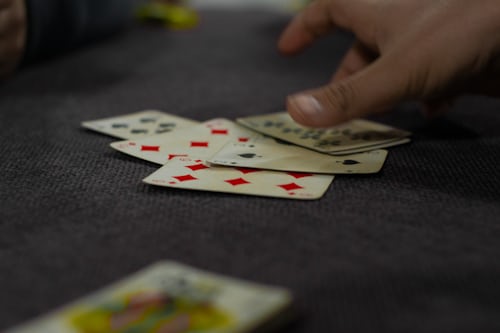
Additionally, the concept of ‘meta-gaming’ comes into play, where players take into account their opponents’ past behaviors and tendencies. For instance, if a player has a reputation for aggressively chasing pots, others may adjust their play style to counteract this. This psychological interplay adds another layer of complexity to the game, further highlighting that skill extends beyond mere mathematical calculations.
Moreover, emotional resilience is a crucial aspect of poker psychology. Players must be prepared to face swings and variance without becoming emotionally compromised, as this can lead to irrational decision-making. A skilled player learns to manage their emotions effectively, which allows for better concentration and clearer thinking during critical moments in the game. In essence, psychology intertwines with skill, shaping both the player’s approach and the eventual outcomes in poker.
Understanding the Competitive Poker Landscape
The competitive nature of poker means that the influence of skill is magnified as players engage with others who are consistently refining their strategies. In a high-stakes environment, the margin for error is minimal, and even slight advantages can lead to sizable differences in profitability. This reality reinforces the need for players to focus on improvement and skill acquisition, as every edge can be the difference between winning and losing.
Moreover, understanding the competitive landscape involves being aware of trends and changes in the game. As more players embrace technology and analytical tools to enhance their strategies, staying informed and adaptable has become essential for anyone serious about poker. Participating in discussions, studying game theory, and following industry developments are ways to remain competitive and skilled in this dynamic environment.
Ultimately, the relentless pursuit of skill in a competitive environment defines the landscape of poker. Players who prioritize mastering their craft not only enhance their game but are also better equipped to handle the challenges posed by luck and their opponents. The recognition that skill is a pivotal element of poker can lead to increased success, making continuous learning and adaptation a non-negotiable aspect of a player’s journey.