

The psychology behind why we gamble Understanding the thrill and risk
The Allure of Gambling
The appeal of gambling lies in its unique combination of thrill and uncertainty. The excitement generated by placing a bet or spinning a roulette wheel activates the brain’s reward system, triggering the release of dopamine, a neurotransmitter associated with pleasure. This surge can create an exhilarating rush, reinforcing the behavior and encouraging individuals to return for more. For many, this thrill is not just about winning money; it’s an adrenaline-fueled experience that can be addictive. When searching for a platform to enjoy this excitement, consider the best live betting sites available, as they provide reliable options for wagering.
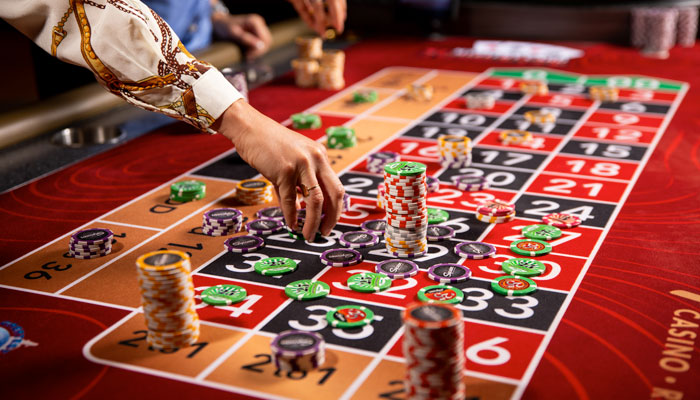
Addiction to gambling can be attributed to various psychological factors, including a desire for escapism and a craving for stimulation. Many people find that gambling offers a temporary escape from the stresses of everyday life. This allure can lead to a cycle where individuals gamble not just for the potential of financial gain but also for the emotional high that accompanies it. Such psychological factors play a significant role in why people are drawn to gambling venues and online betting platforms.
The Role of Risk and Uncertainty
The inherent risks involved in gambling contribute significantly to its attraction. Research suggests that humans are naturally inclined to take risks, often viewing them as opportunities for rewards. This behavior is especially pronounced in games of chance, where the uncertainty of outcomes can spark excitement and anticipation. The unpredictable nature of gambling can turn a mundane evening into an electrifying event, keeping players engaged and invested.
Furthermore, individuals often misinterpret their chances of winning, leading them to underestimate the risks. Cognitive biases, such as the gambler’s fallacy, can create a false sense of control over random outcomes. This misconception fuels the excitement associated with gambling, as players often believe that past results can influence future outcomes, further entrenching them in the cycle of risk-taking and reward-seeking behavior.
The Social Aspect of Gambling
Gambling is often a social activity, bringing people together in casinos or around online gaming platforms. The shared experience of betting can foster camaraderie and excitement among players, enhancing the overall thrill. Social connections can heighten the emotional aspects of gambling, making it not just about the game but also about the relationships formed and strengthened in the process.
This social dimension can sometimes mask the potential dangers associated with gambling. While it can provide a sense of community, it may also lead individuals to gamble more than they otherwise would in isolation. Peer pressure and the desire for social validation can encourage excessive behavior, complicating the relationship individuals have with gambling.
The Impact of Advertising and Environment
The gambling industry heavily utilizes advertising and marketing strategies that amplify the thrill associated with wagering. Colorful imagery, enticing bonuses, and the portrayal of gambling as a glamorous activity can create a skewed perception of the reality of gambling. Such marketing not only attracts new players but also reinforces existing players’ habits, making them more likely to engage regularly.
Moreover, the physical environment of casinos is designed to enhance the gambling experience. Features such as dim lighting, lack of clocks, and continuous music are tailored to keep players engaged and oblivious to the passage of time. This carefully curated atmosphere contributes to a heightened state of arousal, increasing the likelihood of impulsive decisions and prolonged gambling sessions.

Resources for Responsible Gambling
As awareness of the psychological factors behind gambling grows, so does the emphasis on responsible gambling practices. Various organizations and resources exist to educate individuals about the risks associated with gambling and to promote healthier gaming habits. These resources provide tools for self-assessment, enabling players to understand their relationship with gambling better and to recognize signs of problematic behavior.
Ultimately, understanding the psychology behind why we gamble can empower individuals to make informed decisions. By fostering awareness of the thrill and risk involved, players can enjoy gambling as a form of entertainment while mitigating the potential for negative consequences. Online platforms and communities dedicated to responsible gambling offer support and guidance for those seeking to maintain a healthy balance in their gaming experiences.