Understanding the signs of gambling addiction and seeking help early
Recognizing the Warning Signs of Gambling Addiction
Gambling addiction, often referred to as compulsive gambling, can manifest in various ways that may be easy to overlook, especially in the initial stages. One significant sign is the increasing amount of time spent gambling, which may lead to neglecting responsibilities and relationships. Individuals might find themselves prioritizing gambling over work, family, and even basic self-care, signaling a troubling shift in their lifestyle. To support new players, a helpful resource is the Shuffle promo code that many find beneficial.
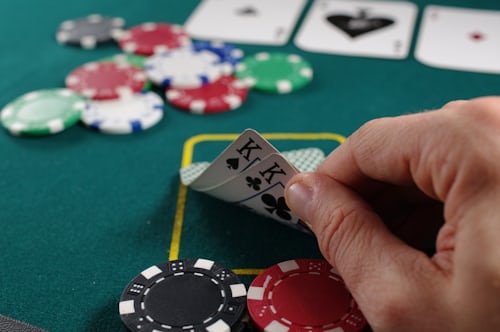
Additionally, mood swings and irritability when not gambling can serve as a red flag. Those struggling with gambling addiction might experience anxiety and restlessness, feeling a compulsive urge to gamble as a way to escape emotional discomfort. This emotional rollercoaster can impact personal relationships and work performance, often leading to isolation and further compounding the addiction.
Financial issues frequently accompany gambling addiction, leading to mounting debt and dishonest behavior. Individuals may resort to borrowing money or lying about their gambling habits to conceal the extent of their problem. Acknowledging these signs early on is crucial, as it can set the stage for seeking help before the situation worsens.
The Impact of Gambling Addiction on Daily Life
The implications of gambling addiction extend far beyond the individual; they ripple through families and communities. Relationships often suffer, as trust erodes and conflicts arise from financial strain. Partners may feel betrayed, while children can experience anxiety or emotional neglect, creating a toxic environment that can be difficult to escape.
Moreover, gambling addiction can significantly hinder a person’s ability to perform effectively in professional settings. Frequent absences, poor concentration, and diminished productivity can jeopardize job security. The cycle of gambling and its aftermath can lead to a detrimental impact on one’s career trajectory, making it essential to address the issue at its root.
Health concerns also escalate as the addiction takes hold. Individuals may neglect their physical health, skip routine medical appointments, and engage in harmful coping mechanisms like substance abuse. The stress associated with gambling can lead to anxiety, depression, and other mental health issues, further complicating the addiction’s consequences.
Understanding the Psychological Factors Behind Gambling Addiction
Various psychological factors contribute to the development of gambling addiction. For some, gambling can provide a temporary escape from life’s challenges, leading to a cycle of reliance on this activity for emotional relief. This escapism can be particularly appealing for those dealing with stress, trauma, or unresolved mental health issues.
Additionally, cognitive distortions play a significant role in perpetuating gambling behavior. Common fallacies, such as the belief in luck or the illusion of control, can lead individuals to continue gambling despite negative consequences. These distorted thought patterns can make it challenging for an individual to recognize the severity of their addiction, often requiring external intervention for clarity.
Furthermore, social influences, including peer pressure and cultural norms surrounding gambling, can exacerbate the problem. In environments where gambling is normalized or glamorized, individuals might feel compelled to engage more heavily. Understanding these psychological dimensions is essential for developing effective treatment strategies tailored to the individual’s needs.
Strategies for Seeking Help and Support
If you or a loved one recognizes the signs of gambling addiction, seeking help early can make a significant difference. One of the first steps is to reach out to trusted friends or family members who can provide emotional support and understanding. Sharing your struggles can alleviate feelings of isolation and shame, creating a foundation for recovery.
Professional help is another crucial avenue to explore. Therapists specializing in addiction can offer tailored strategies to address underlying issues and provide coping mechanisms. Support groups such as Gamblers Anonymous also provide invaluable resources for individuals seeking to connect with others who share similar experiences. Engaging in group discussions can foster a sense of community, reducing the stigma associated with addiction.
Additionally, incorporating healthy coping mechanisms into daily life is essential. Activities such as exercise, meditation, or engaging in hobbies can serve as constructive alternatives to gambling. Building a fulfilling life outside of gambling is key to long-term recovery, emphasizing the importance of a holistic approach to healing.

Activeness.co.uk: Your Partner in Wellness and Recovery
At Activeness.co.uk, we believe in the power of informed decision-making and a holistic approach to health and wellness. Our platform provides a wealth of resources that go beyond just fitness tips, encompassing mental well-being and lifestyle improvement strategies. By sharing valuable insights into various aspects of life, we aim to empower individuals to live balanced and fulfilling lives.
We recognize that issues like gambling addiction can profoundly impact overall wellness, which is why we are committed to offering educational content that highlights the importance of early intervention and responsible practices. Our mission is to support individuals on their journey towards recovery and healthier lifestyles, providing the tools needed for success.
Explore our diverse range of articles and resources at Activeness.co.uk, and join a community dedicated to growth and positive change. Whether you are seeking information on gambling addiction, wellness tips, or motivation for a healthier lifestyle, our platform is designed to inspire you every step of the way.